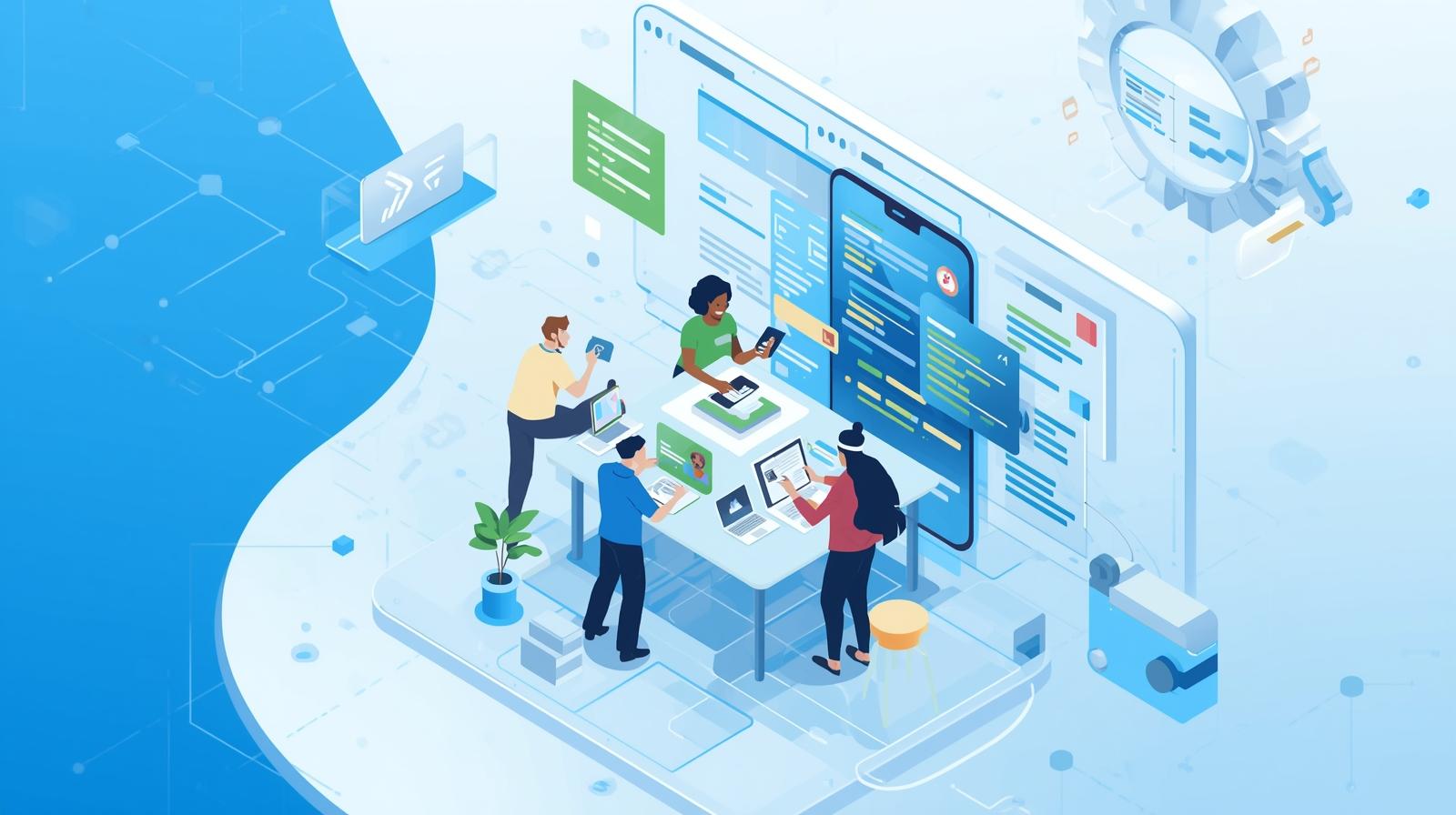
The Future of UI/UX Design in 2025: The Great Humanization
The trajectory of UI/UX design is undergoing a profound shift. For years, the goal has been "user-friendly." In 2025, the paradigm evolves from merely friendly to deeply human. Technology is shedding its cold, mechanical skin to become more intuitive, empathetic, and context-aware—not just a tool we use, but a partner in our daily lives.
At Yaar Sangam, we are at the forefront of this shift, building bridges between complex technology and genuine human need. Here’s how we see the "Humanization of UI/UX" unfolding in 2025.
1. From Static to Adaptive & Sentient Interfaces
The era of one-size-fits-all design is over. Future interfaces will be fluid, learning from user behavior to morph in real-time.
-
What it looks like: An app for a busy parent might automatically simplify its interface during the morning rush, highlighting only the most essential features like "Schedule" or "Groceries," then revealing advanced options during quieter evening hours. It’s an interface that understands your rhythm and adapts to your mental load, reducing friction and cognitive strain.
2. The Rise of Emotional Intelligence (EQ) and AI Empathy
The next frontier is designing for human emotion. With advances in Affective Computing, AI will begin to interpret user sentiment through tone of voice, typing speed, and even facial cues (with explicit consent and ethical boundaries).
-
What it looks like: A mental wellness app that detects frustration in your voice commands might respond with a calmer tone and suggest a breathing exercise. A learning platform noticing a student's struggle could adapt its content delivery, offering a video explanation instead of a dense text block. This is UX that doesn’t just solve a problem but cares about the user's emotional state while doing so.
3. Voice and Conversational UIs Become the Norm
The most human form of interaction is conversation. Voice User Interfaces (VUIs) will move beyond simple commands to become nuanced, contextual dialogues.
-
What it looks like: Instead of manually navigating through menus to reorder pet food, you'll simply tell your smart home device, "We're running low on Buster's salmon kibble." The system will understand the context ("Buster" is your dog, "salmon kibble" is a specific subscription) and handle the task through a natural, conversational flow.
4. Hyper-Personalization: The "Interface of One"
Powered by ethical AI and user permission, interfaces will become deeply personalized. This goes beyond just recommending a movie; it's about crafting a unique digital environment for every individual.
-
What it looks like: A news aggregator could learn that you prefer deep-dive articles on weekends and quick briefs on weekdays, adjusting its layout and content density accordingly. A fitness app might change its motivational language based on whether you respond better to a "coach" persona or a "supportive friend."
5. Invisible UI and Frictionless Journeys
The ultimate goal of humanized design is to make the interface itself disappear. The focus shifts entirely to the task and the outcome, not the tool.
-
What it looks like: A smart kitchen will sense you’ve taken the last yogurt, automatically add it to a shared grocery list, and prompt you to confirm the order with a single tap. The complex technology is completely hidden, leaving only a seamless, helpful action.
6. Designing for Digital Wellbeing and Trust
As technology becomes more integrated, its impact on our mental health becomes a primary design consideration. Human-centric design in 2025 must be ethical design.
-
What it looks like: Interfaces will include "focus modes" that intentionally limit notifications, "completion haptics" that provide satisfying feedback to signal the end of a task (reducing the urge to endlessly scroll), and transparent data usage controls that build trust rather than exploit attention.
Conclusion: The Designer's New Role
For us at Yaar Sangam, this human-centric future is not a distant dream; it's the foundation upon which we build today. The role of the UI/UX designer is evolving from a creator of screens to a choreographer of human-technology relationships.
In 2025, success won't be measured by how beautiful an interface is, but by how understood, empowered, and positively connected it makes the human being using it. We are moving beyond designing for users; we are designing for people.
Are you ready to build a more human digital future? Let's talk.
Tagged with:

Latest Posts
Login to comment
To post a comment, you must be logged in. Please login. Login
Comments (6)
By Sangam Shrestha
Oct 31, 2025Awesome breakdown of schema markup — very useful!
By Sangam Shrestha
Oct 31, 2025Thanks for the insight! I was wondering the same.
By Sangam Shrestha
Oct 31, 2025Can you do a follow-up post on Google Search Console setup?
By Sangam Shrestha
Oct 31, 2025Thanks for the insight! I was wondering the same.
By Sangam Shrestha
Oct 31, 2025Thanks for the tips — I’m definitely going to optimize my meta descriptions now.
By Sangam Shrestha
Oct 31, 2025Thanks for the insight! I was wondering the same.